
Ultimate Monsoon Hair Care Routine to Fight Frizz and Hair Fall
Understanding Monsoon Hair Problems
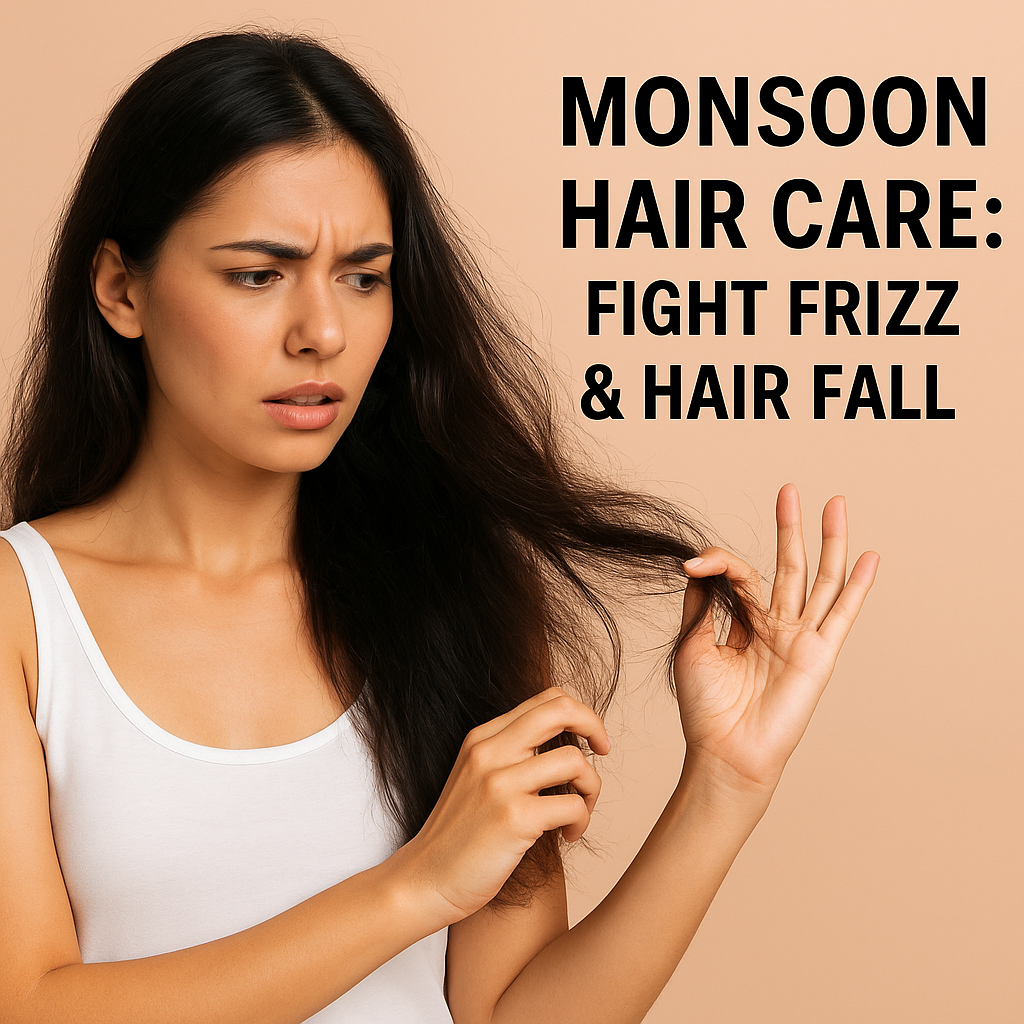
The monsoon season is refreshing, but it can also be a nightmare for your hair. The mix of high humidity, sudden temperature changes, and exposure to rainwater leads to increased hair fall, itchy scalp, and uncontrollable frizz. These problems arise because excess moisture in the air opens the hair cuticles, making them dry and rough.
Not only that, but wet hair also tends to attract more dirt and pollution, clogging scalp pores and causing fungal infections. If not addressed early, these issues can lead to long-term hair damage and even thinning.
Why Frizz and Hair Fall Worsen in Monsoon
Humidity makes your hair shaft swell as it tries to absorb water from the air. This leads to:
- Frizz and puffiness
- Split ends and breakage
- Weakened roots due to clogged follicles
Environmental pollution, acid rain, and lack of sun exposure also aggravate the problem, making your hair dull and lifeless. Understanding these triggers is the first step to building a solid monsoon hair care routine to fight frizz and hair fall.
Daily Hair Care Regimen for Monsoon
Here’s how to build a solid monsoon daily routine:
Morning Routine:
- Use a soft microfiber towel to pat your hair dry (never rub).
- Avoid tying hair when wet—this leads to breakage.
- Apply a lightweight serum or leave-in conditioner with frizz-control.
Evening/Night Routine:
- Massage your scalp gently to stimulate blood flow.
- Apply a hydrating mist or aloe vera spray.
- Braid your hair loosely before sleeping to prevent tangles.
Avoid using plastic combs or tight hairstyles during the day as these increase friction and breakage.
Ideal Hair Washing Schedule
Contrary to popular belief, washing your hair daily isn’t necessary—even in monsoon. Over-washing can strip natural oils.
Suggested Schedule:
Hair Type |
Washing Frequency |
|
Oily Scalp - |
Every 2-3 days |
|
Dry Scalp - |
Twice a week |
|
Normal Hair |
Every 3 days |
Use lukewarm water to clean the scalp gently and follow up with a cold rinse to seal the cuticles.
Choosing the Right Shampoo and Conditioner
Always opt for sulphate-free, paraben-free shampoos during the monsoon. These are gentle on your scalp and reduce moisture loss.
Top Ingredients to Look For:
- Reetha
- Shikakai
- Amla
- Bhringraj
Deep Conditioning and Hair Masks
Your hair needs extra nourishment during monsoon. Weekly conditioning masks are a must!
DIY Mask Ideas:
- Curd + Honey: For shine and softness
- Banana + Olive Oil: For intense repair
- Egg + Aloe Vera: To strengthen roots
Leave the mask on for at least 30 minutes before rinsing with cool water.
The Role of Hair Oils in Monsoon
While heavy oiling is a no-no in humid weather, light oils like almond or grapeseed oil can help tame frizz.
Oiling Tips:
- Do it 30–45 minutes before shampooing, not overnight.
- Don’t go out in rain with oiled hair—it attracts more dirt!
How to Dry Hair Properly During Monsoon
Avoid leaving your hair wet for long periods. This creates the perfect environment for fungi.
Best Practices:
- Use a microfiber towel or old cotton T-shirt to dry hair.
- Avoid blow dryers—if necessary, use on cool setting.
Comb and Brush Selection Tips
Say goodbye to plastic combs. Instead:
- Use wide-tooth wooden combs to reduce static and prevent hair breakage.
- Clean your combs weekly to remove product buildup and bacteria.
Hairstyling Without Damaging Hair
Minimize styling tools and gels during monsoon.
Instead, try:
- Loose braids or buns
- Silk scrunchies
- Leave-in conditioning sprays
Protective styles help reduce exposure to environmental stress.
Natural Home Remedies to Control Frizz
Frizz-fighting ingredients:
Ingredient |
Benefit |
|
Aloe Vera |
Moisturizes and soothes scalp |
|
Apple Cider Vinegar |
Balances scalp pH and add shine |
|
Curd |
Deep conditioner |
|
Eggs |
Protein-rich nourishment |
|
Honey |
Natural humectant for moisture retention |
Mix these with carrier oils or yogurt for best results.
Diet and Hydration for Stronger Hair
What you eat shows up on your scalp and strands. The monsoon season might cause water retention and bloating, leading people to drink less water. But this can dehydrate your scalp and increase hair fall.
Hair-Healthy Foods to Include:
- Leafy greens (spinach, kale) – rich in iron and folate
- Nuts and seeds (walnuts, flaxseeds) – provide omega-3 fatty acids
- Carrots and sweet potatoes – rich in beta-carotene
Also, aim for at least 2 liters of water daily to flush toxins and maintain scalp health.
Herbal and Ayurvedic Solutions
Nature offers timeless remedies for hair woes, especially during the damp monsoon.
Trusted Herbal Ingredients:
- Neem: Antifungal and antibacterial properties
- Fenugreek (Methi): Strengthens roots and controls dandruff
- Hibiscus: Promotes growth and adds shine
- Amla (Indian Gooseberry): Packed with vitamin C, it reduces breakage
You can make a rinse, hair mask, or oil infusion using these herbs for effective results.
Myths About Monsoon Hair Care
Let’s bust a few common myths that could be sabotaging your hair health:
Myth |
Reality |
|
1. Rainwater is pure and good for hair. |
It's often polluted and acidic. |
|
2. Frequent shampooing reduces hair fall. |
Over-washing strips natural oils and worsens fall. |
|
3. Oiling overnight is a must. |
In monsoon, short-duration oiling is safer. |
|
4. Hair fall means poor shampoo quality. |
It's usually due to humidity, scalp buildup, or stress. |
FAQs About Monsoon Hair Care Routine
Q1. How often should I wash my hair in monsoon?
A: 2–3 times a week is ideal, depending on your hair type. Over-washing can lead to dryness and frizz.
Q2. Does rainwater cause hair fall?
A: Yes, rainwater mixed with pollution can be acidic and damage your scalp, causing hair fall.
Q3. Can I use coconut oil during monsoon?
A: Coconut oil is heavy; switch to lighter oils like almond or grapeseed to avoid greasy buildup.
Q4. Are hair masks better than conditioners?
A: Hair masks provide deep nourishment, making them more effective than regular conditioners during monsoon.
Conclusion: Take Control of Your Hair This Monsoon
Monsoon can be tricky for your tresses, but a little consistency and the right approach can help you maintain strong, shiny, and healthy hair. By following a customized monsoon hair care routine to fight frizz and hair fall, you’ll not only minimize seasonal hair issues but also improve overall hair health.
So don’t let the rains dampen your hair goals. Be proactive, gentle, and attentive—and your hair will thank you by staying soft, manageable, and radiant all season long!